
Based on what we’ve seen at Belden, there are two recurring thermal management problems that nearly all data center managers face:
- 100% of bypass air is wasted
- Recirculation causes unnecessary heat
These problems may have creeped in as a result of moves, adds and changes – or it’s possible that the problems have existed since the day your data center turned on. There are improvements that can be made at all levels – basic, aisle and rack levels – to increase energy efficiency.
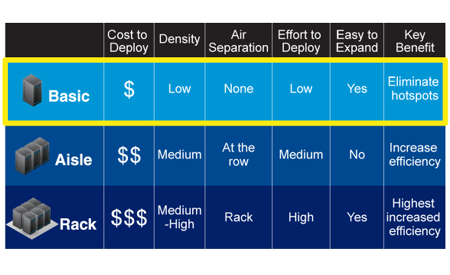
In this blog post, we focus on basic, low-cost data center enhancements that eliminate hotspots and improve thermal management without a lot of money or time invested.
1. Seal open U-space gaps
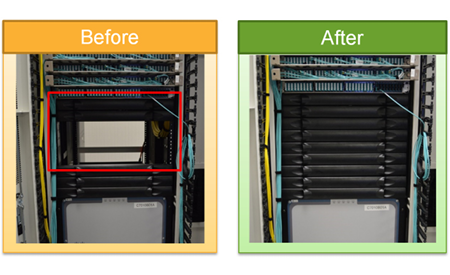
As servers become smaller and virtualized, what will you do with the increasing amount of unused space in your racks? Leaving it open allows hot air to escape, decreasing efficiency and increasing operating costs. Metal or plastic blanking panels eliminate bypass airflow at the rack level and prevent exhaust air circulation – they offer no place for air to go except through equipment instead of around it. Blanking panels can also improve thermal management by decreasing server inlet air temperatures and increasing the temperature of air returning to the CRAC, according to ENERGY STAR. Dell conducted a CFD (computational fluid dynamics) model to predict temperatures resulting from a missing 1U server with no blanking panel installed. Adjacent servers experienced increased temperatures, which causes internal fans to speed up – this increased energy costs.
2. Seal rack rails, sides and floor gaps
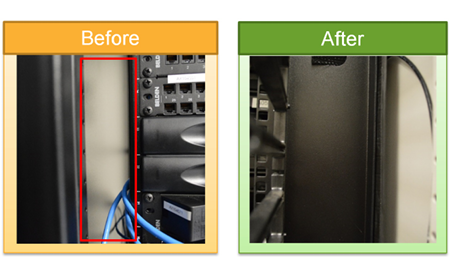
By properly sealing the openings in your IT equipment, you can further improve thermal management. Some manufacturers seal the open space between the rails and sides of cabinets during the manufacturing process. Belden racks, for example, come standard with rubber gasket sealing to close the gap. If not addressed, this can be a major problem spot that allows air recirculation and loss of conditioned air. If your rack wasn’t manufactured with a way to seal the opening, retrofit kits allow you to fill the gaps.
The space under the rack is another factor: If not sealed, these gaps allow bypass airflow and exhaust air circulation. By sealing these openings, you reduce data center cooling costs.
3. Seal cable entry point gaps
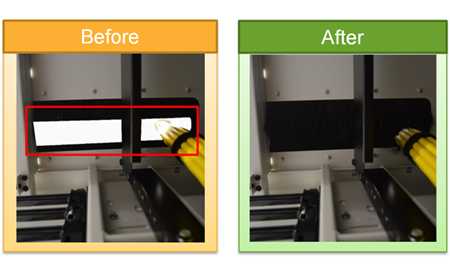
To allow cable to enter a rack or exit through the floor, holes are often cut. These gaps allow for a cable pathway, but also provide a way for air to move. Built-in brush strips or guards can help eliminate lost bypass air and prevent hot air leakage through these cable entry points.
Remember: Thermal management is an ongoing process, not a one-time occurrence. It’s important to regularly check these three basic areas in your data center, especially as moves, adds and changes are completed.
Belden offers several cost-efficient solutions to help conditioned air reach its destination, improve cooling capacity, reduce operating expenses, eliminate hotspots and improve thermal management. Stay tuned for future blog posts that identify ways to improve thermal efficiency at the aisle and rack levels.
作者简介
迈克·彼得森
数据中心技术与应用经理
Mike Peterson 于 2014 年至 2016 年加入 Belden。作为技术和应用经理,Mike 负责监控主要行业技术活动并密切关注新兴数据中心趋势。 他还对与行业标准组织和贸易联盟建立关系发挥了重要作用。